
February is often associated with loyalty, devotion, and trust—but in the shadowy world of espionage, those virtues were frequently tested, strained, and sometimes betrayed. Long before modern intelligence agencies existed, America’s earliest spies navigated a dangerous landscape where personal relationships could determine success or failure.
For agents operating before 1917, loyalty was never simple. Family ties, romantic attachments, and friendships often collided with duty, secrecy, and survival.
Espionage and Personal Risk
Early American spies rarely operated as lone wolves. They depended on trusted networks—wives, siblings, neighbors, tavern keepers, and merchants—who could pass information without drawing attention.
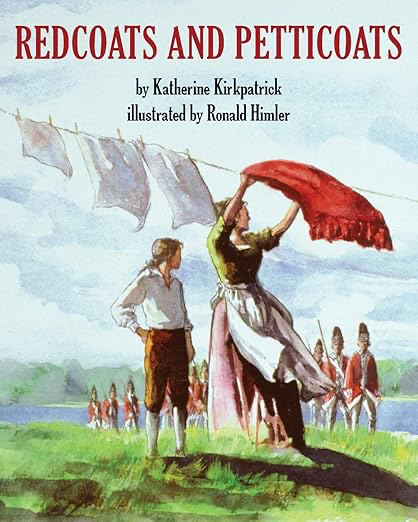
The Culper Spy Ring, operating under Major Benjamin Tallmadge during the Revolutionary War, relied heavily on ordinary civilians embedded in their communities. Abraham Woodhull (“Samuel Culper Sr.”) used his family farm visits as cover for intelligence gathering, while Anna Strong signaled when messages were ready using laundry on a clothesline—an act that put her entire household at risk.
Husbands, Wives, and the Business of Secrets
Women played a crucial role in early espionage precisely because they were often overlooked. Wives and daughters carried messages, concealed intelligence in clothing or household goods, and hosted conversations that yielded critical information.
Agent 355, one of the most mysterious members of the Culper Ring, is believed to have been a woman of social standing who gathered intelligence through her proximity to British officers. Though her true identity remains unknown, her story underscores how personal relationships could become instruments of espionage.
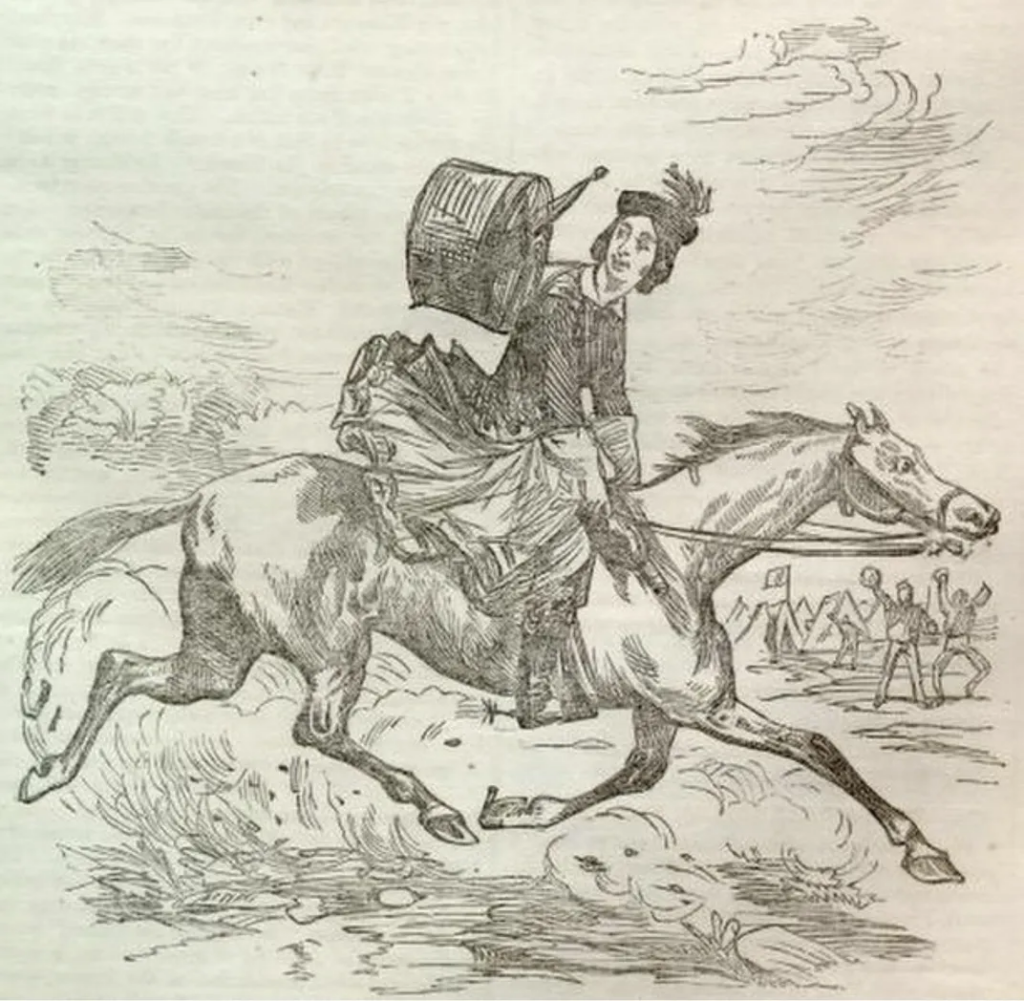
Friendship as a Weapon
Some of the most effective intelligence work relied on friendship and familiarity. Trusted companions could gain access where soldiers could not.
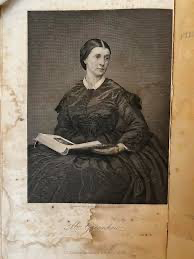
During the Civil War, Rose O’Neal Greenhow cultivated friendships with Union officers in Washington, D.C., extracting valuable military intelligence which she passed to the Confederacy. Her social charm proved as powerful as any cipher, though it ultimately led to her arrest.
Lessons from the Shadows
The stories of early spies reveal that intelligence work was as much about human relationships as it was about codes or invisible ink. Love, loyalty, and trust were powerful forces—but in espionage, they were never guaranteed.
The Order of the Cloak and Dagger exists to preserve the memory of these individuals and the complex human choices they faced. Their experiences remind us that history is shaped not only by grand battles, but by quiet decisions made in moments of secrecy.